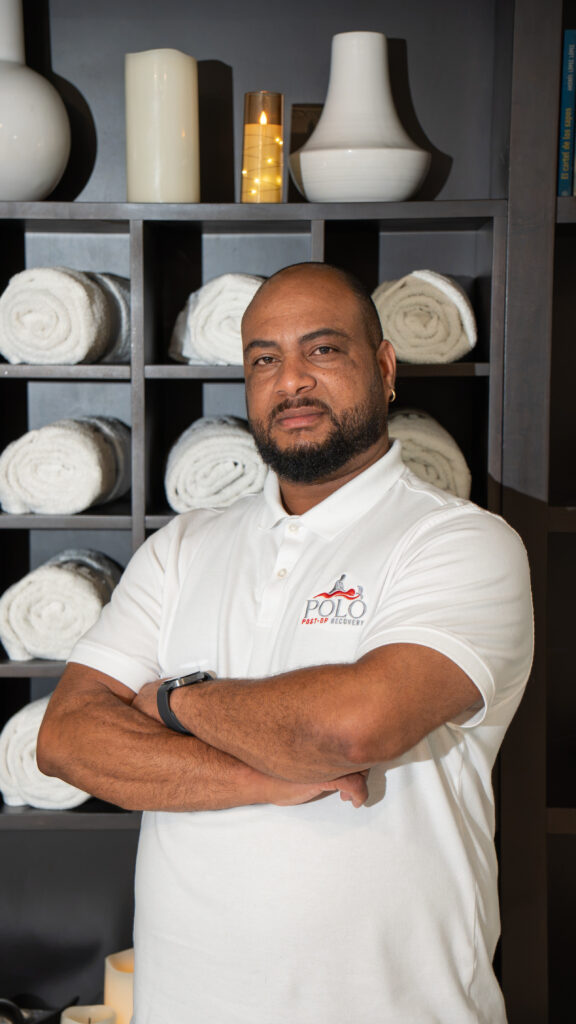
ABOUT RACIEL J. POLO
Recovery Should Never Be Guesswork.
I’m Raciel J. Polo, founder of Polo Post-Op Recovery and creator of the ARC™ Method—a structured approach to post-operative recovery built around one fundamental principle:
The body should not be forced to recover according to a calendar. Recovery should progress according to tissue response.
After more than 15 years working in the aesthetic post-operative field, I developed ARC™ to bring greater structure, clinical judgment, and biological reasoning to a recovery process that is too often driven by urgency, aggressive treatment, or one-size-fits-all protocols.
WHY I CREATED ARC™
Recovery Didn’t Need More Force. It Needed Structure.
After more than 15 years working in aesthetic post-operative recovery, I began seeing the same problem repeatedly: patients were often being treated according to fixed timelines, generalized protocols, or the belief that more pressure meant better results.
But healing tissue does not respond to urgency. It responds according to biology.
That realization became the foundation of the ARC™ Method.
ARC™ was created to bring structure to post-operative recovery by assessing tissue response, respecting the biological stage of healing, and progressing treatment only when the body demonstrates that it is ready.
The objective is not to force the body forward.
It is to understand what the tissue needs now—and what it is ready for next.
BIOLOGY BEFORE INTENSITY.
STRUCTURE BEFORE AGGRESSION.
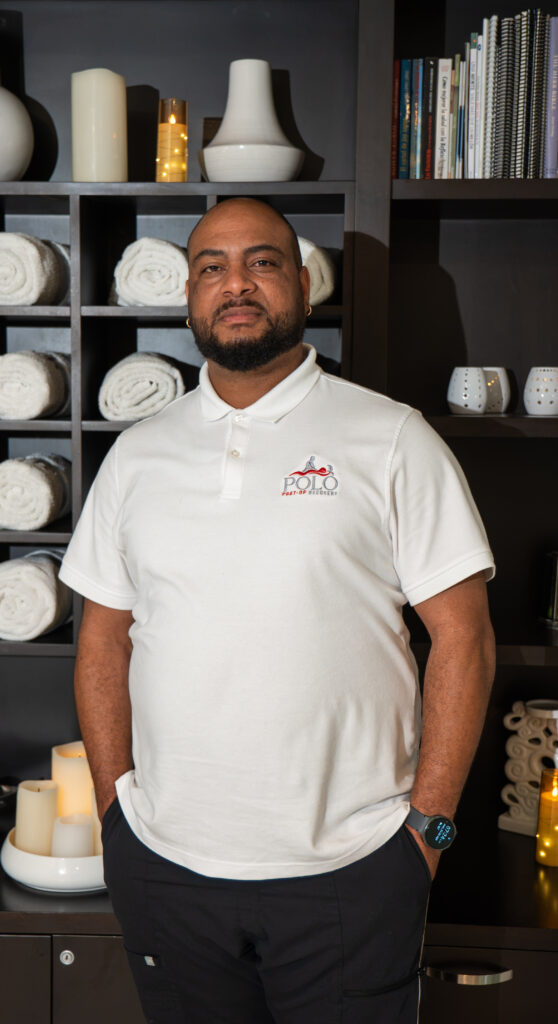
A DIFFERENT STANDARD FOR RECOVERY
Recovery Is Not a Race Through a Calendar.
ARC™ does not determine progression simply by counting days or sessions.
Treatment decisions are guided by how the tissue is responding—considering factors such as swelling, sensitivity, tissue density, treatment tolerance, and signs of inflammatory rebound.
The process follows four essential actions:
ASSESS
Understand the tissue’s current condition.
RESPOND
Choose an intervention appropriate for that biological stage.
REASSESS
Observe how the tissue responds after treatment.
PROGRESS
Advance only when sufficient stability is present.
THE CALENDAR PROVIDES CONTEXT.
THE TISSUE EARNS PROGRESSION.
THE ARC™ METHOD
Recovery Changes. The Approach Should Change With It.
ARC™ organizes post-operative recovery into four distinct phases. Each phase has a different purpose, and progression depends on tissue response—not simply on how many days have passed since surgery.
PHASE 0
Preparation
Prepare for recovery before surgery through education, planning, and realistic expectations.
PHASE A
Activation
Support the early recovery process while respecting inflammation, sensitivity, and healing tissue.
PHASE R
Regulation
Support tissue organization through controlled progression as the biological response changes.
PHASE C
Construction
Progress toward contour refinement and tissue quality once sufficient stability is present.
WHAT GUIDES MY WORK
Biology. Structure. Judgment.
Effective post-operative recovery requires more than technique. It requires understanding what the body is doing, applying the right intervention at the right time, and knowing when not to intervene.
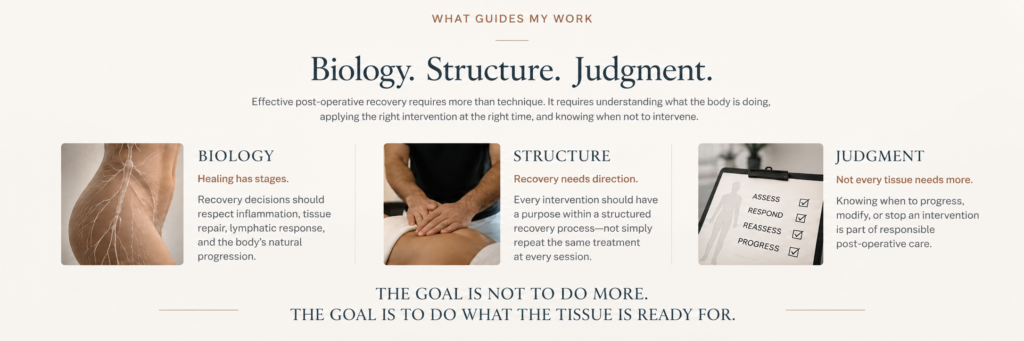
THE GOAL IS NOT TO DO MORE.
THE GOAL IS TO DO WHAT THE TISSUE IS READY FOR.
BUILT FROM EXPERIENCE
More Than a Method. A Standard of Care.
For more than 15 years, my work has been centered on one question: what does this body need at this stage of recovery?
That experience shaped the way I approach post-operative care today—with observation before intervention, structure before intensity, and progression based on tissue response.
ARC™ represents the standard I believe recovery deserves: thoughtful, disciplined, and built around the biology of healing.
— Raciel J. Polo
Founder, Polo Post-Op Recovery
Creator of the ARC™ Method
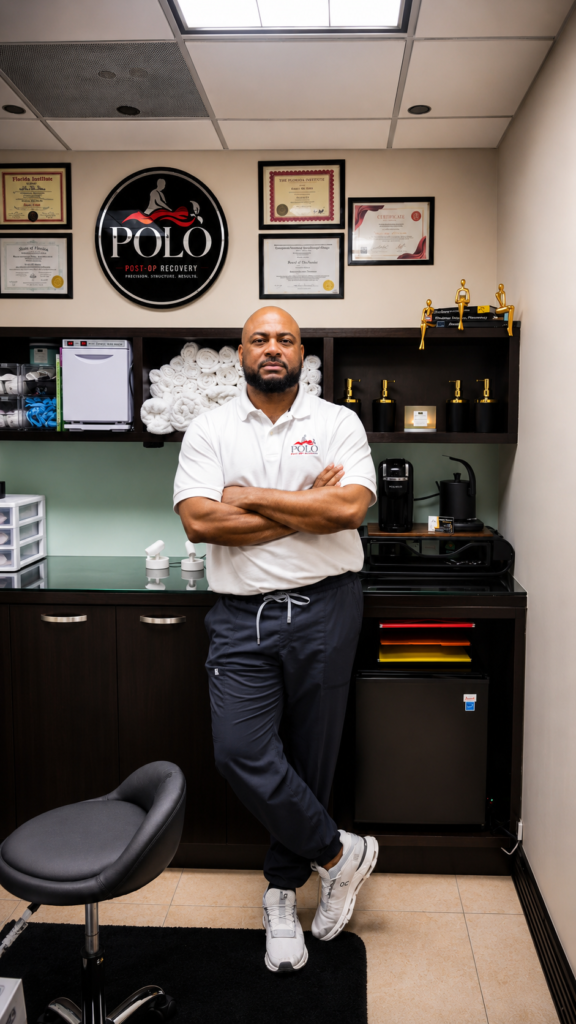
STRUCTURED RECOVERY STARTS WITH ASSESSMENT
Your Recovery Deserves a Plan.
Every recovery is different.
Your procedure, healing stage, tissue response, symptoms, and recovery goals should be considered before determining the appropriate approach.
If you’re preparing for surgery or already recovering, the first step is understanding where your body is now—and what it is ready for next.